Hunter Fan Instruction Manual: A Comprehensive Guide
This manual details Hunter fan setup, operation, and maintenance, covering safety, installation, troubleshooting, and warranty details as of April 15, 2026.
Understanding Your Hunter Fan
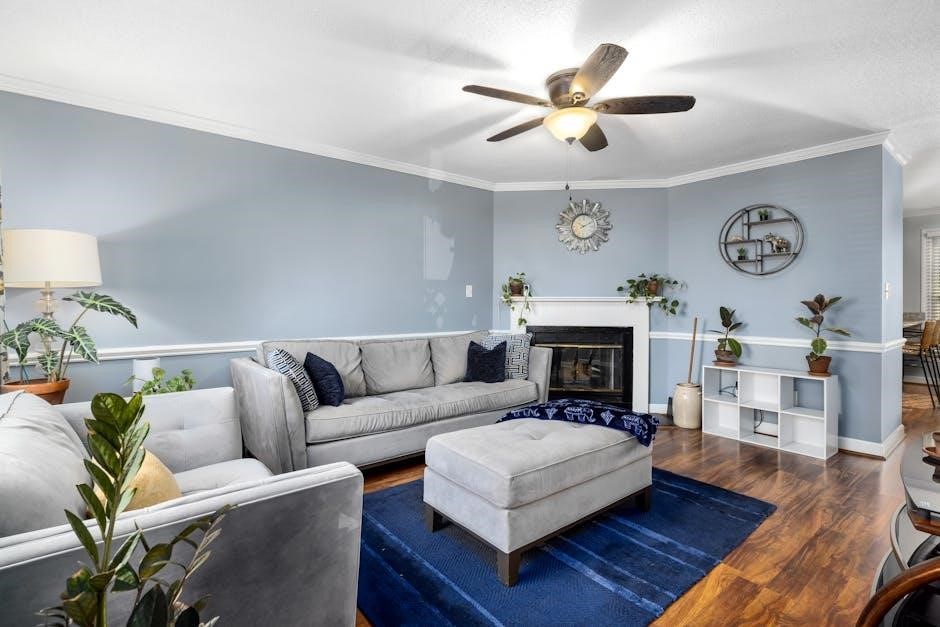
Hunter fans offer comfort and energy savings through efficient air circulation. This guide assists in maximizing your fan’s performance, covering installation, operation, and maintenance. Understanding components – blades, motor housing, downrod, and light kit – is crucial. Hunter fans utilize various control methods, including pull chains and remote controls. Familiarize yourself with these features for optimal use. Remember, proper installation and regular maintenance, as detailed herein, ensure longevity and peak efficiency. Addressing issues promptly, using the troubleshooting section, prevents further complications.
Fan Components and Identification
Your Hunter fan consists of several key parts. The motor housing contains the motor, providing power. Blades circulate air; their pitch affects airflow. A downrod connects the fan to the ceiling mount. The ceiling mount securely attaches the fan. A light kit (if included) provides illumination. Pull chains control speed and light. Remote controls offer wireless operation. Identifying these components is vital for installation, maintenance, and troubleshooting. Refer to diagrams for precise locations and names of each part within your specific model.
Safety Precautions
Prioritize safety during installation and operation. Always disconnect power before working on the fan. Ensure the ceiling structure can support the fan’s weight. Use appropriate tools and follow instructions carefully. Keep children away during installation. Never insert objects into rotating blades. If parts are damaged, cease use and contact customer support. Improper installation can lead to falls or electrical hazards. Adhering to these precautions minimizes risks and ensures safe, reliable fan performance.
Important Safety Warnings
Read all instructions before assembly and operation. Risk of electric shock – ensure proper grounding. Do not use outdoors or in damp locations. Never allow children to operate the fan unsupervised. Stop use immediately if wobbling or unusual noises occur. Regularly check mounting hardware for tightness. Improper wiring can cause fire or electrical hazards. Failure to follow these warnings could result in injury or property damage. Prioritize safety at all times.
Electrical Safety Guidelines
Always disconnect power at the circuit breaker before installation or maintenance. Verify the electrical supply matches the fan’s voltage requirements. Use appropriately sized wire connectors. Never ground the fan to plumbing pipes. If unsure about electrical work, consult a qualified electrician. Avoid damaging wiring during installation. Ensure all connections are secure to prevent arcing or short circuits. Improper electrical connections pose a serious fire and shock hazard. Prioritize electrical safety.
Installation Instructions
Carefully unpack all components and verify against the parts list. Select a mounting location suitable for the fan’s size and weight, considering ceiling type. Ensure adequate headroom. Follow the mounting bracket instructions specific to your ceiling (wood joist, concrete, etc.). Properly connect the wiring according to the color coding guide. Securely attach the fan motor assembly to the bracket. Double-check all screws and connections before proceeding.
Mounting the Fan (Ceiling Types)
For wood joist ceilings, use the provided screws to securely attach the mounting bracket directly to a joist. Concrete ceilings require a specialized mounting bracket and appropriate anchors – consult a hardware professional. Verify the ceiling box is rated for fan support; a standard light fixture box is insufficient. Always ensure the bracket is firmly attached and level before proceeding with fan assembly. Improper mounting can lead to instability and safety hazards.

Wiring the Fan (Color Coding)
Typically, the fan’s black wire connects to the household’s hot (live) wire, usually black. White wires are connected to neutral wires (also white). The fan’s blue wire often controls the light kit and connects to the switched hot wire. Green or bare copper wires are for grounding and must be securely connected to the ground wire in the ceiling box. Always verify wiring with a voltage tester before making connections; incorrect wiring can cause damage or fire.
Operating Your Hunter Fan
Your Hunter fan is designed for simple operation. Pull chains control fan speed and light functions. A gentle pull adjusts the fan between low, medium, and high speeds, or turns it off. A separate pull chain manages the light kit – on, off, or dimming (if applicable). Remote control models offer convenient control from anywhere in the room, providing similar functionality with button presses.
Using the Pull Chains
Hunter fan pull chains offer straightforward control. Each chain corresponds to a specific function – typically fan speed and light operation. Gentle, deliberate pulls are recommended to avoid damaging the internal mechanisms. Multiple pulls cycle through speed settings (low, medium, high, off). The light chain toggles the light on and off, and may include dimming functions with additional pulls, depending on the model.
Remote Control Operation
Hunter fan remote controls provide convenient, wireless operation. Ensure proper battery installation for functionality. Buttons typically control fan speed, light intensity, and fan direction (reverse function). Some remotes feature smart home integration or energy-saving modes. Initial pairing may be required (see pairing instructions). Point the remote towards the fan receiver for optimal signal transmission. Lost connection? Refer to the re-pairing section.
Fan Speed Settings
Hunter fans offer multiple speed settings – Low, Medium, and High – to customize airflow. Low speed provides a gentle breeze, ideal for quiet operation. Medium speed balances comfort and energy efficiency. High speed maximizes airflow for rapid cooling. The reverse function alters blade direction; summer mode creates a downdraft, while winter mode circulates warm air. Adjust settings using pull chains or the remote control for optimal comfort.
Low, Medium, and High Speeds
Hunter fan speeds cater to diverse needs. Low speed delivers a subtle airflow, perfect for quiet environments and minimal energy use. Medium speed provides a balanced breeze, suitable for everyday comfort. High speed maximizes cooling, ideal for warmer temperatures or larger spaces. Experiment with each setting to find your preferred level of airflow and optimize comfort throughout the year, adjusting as needed.
Reverse Function (Summer/Winter)
Hunter fans feature a reverse switch for seasonal optimization. In summer, counter-clockwise rotation creates a direct breeze for cooling. In winter, clockwise rotation gently circulates warm air trapped near the ceiling, improving heating efficiency and reducing energy costs. This subtle airflow distributes warmth evenly without creating a noticeable draft, enhancing comfort and potentially lowering bills.
Light Kit Installation
Proper light kit installation ensures safe and effective illumination. Begin by verifying the bulb specifications detailed in this manual to prevent overheating or damage. Carefully connect the wiring, matching colors precisely – typically blue to blue, white to white, and ground to ground. Ensure all connections are secure before mounting the light kit to the fan housing, following the diagram provided.
Bulb Specifications
Selecting the correct bulb is crucial for optimal performance and safety. This Hunter fan model requires a maximum wattage of 60W, utilizing standard E26 base bulbs. LED bulbs are recommended for energy efficiency and extended lifespan. Do not exceed the maximum wattage, as this could pose a fire hazard; Confirm bulb compatibility before installation to avoid damage to the light kit or fan motor.
Wiring the Light Kit
Before wiring, ensure the fan’s power is completely OFF at the breaker. Match the light kit wires to the fan’s wiring harness: black to black (hot), white to white (neutral), and green or bare copper to green (ground). Secure connections with wire connectors, ensuring no bare wire is exposed. Carefully tuck wires into the switch housing. Incorrect wiring can cause malfunction or safety hazards; consult a qualified electrician if unsure.
Troubleshooting Common Issues

If the fan fails to start, check the power supply and wiring connections. For wobbling, ensure blades are securely attached and balanced using the balancing kit provided. Verify all mounting hardware is tightened correctly. If issues persist, consult the warranty information or a qualified electrician. Remember to disconnect power before any inspection or repair attempts to avoid electrical shock.
Fan Doesn’t Start
If your Hunter fan isn’t operating, first verify the power switch is on and the circuit breaker hasn’t tripped. Inspect the wiring connections within the fan housing and at the wall switch, ensuring they are secure. Check the pull chains or remote control batteries. If using a remote, attempt re-pairing. A faulty capacitor could also be the cause; professional assistance may be needed.
Fan Wobbles
Excessive fan wobble indicates imbalance. Begin by ensuring all blade screws are tightened securely. Utilize a balancing kit (often included) to identify and correct weight discrepancies in the blades. Verify the mounting bracket is firmly attached to the ceiling joist and is level. If wobble persists, check for warped blades or a bent motor shaft; replacement parts might be necessary.

Cleaning and Maintenance
Regular cleaning extends your Hunter fan’s lifespan. Dusting the Blades is crucial; use a soft cloth to avoid scratching. Motor Maintenance requires periodic checks for dust buildup – disconnect power before cleaning. Avoid liquid cleaners near the motor. Lubrication isn’t typically needed for sealed motors, but consult specific model details. Inspect wiring annually for damage or loose connections, ensuring safety.
Dusting the Blades
Consistent blade dusting prevents imbalance and ensures optimal airflow. Use a soft, lint-free cloth or a dedicated dusting tool. Gently wipe each blade, both top and bottom, to remove accumulated dust. Avoid abrasive cleaners or excessive moisture, which can damage the blade finish. For stubborn dirt, lightly dampen the cloth with water, then dry immediately. Regular dusting, ideally monthly, maintains peak performance.
Motor Maintenance
The Hunter fan motor is sealed and generally requires no oiling. Avoid disassembling the motor housing, as this voids the warranty and poses a safety risk. If the motor exhibits unusual noises or fails to operate, consult the troubleshooting section or contact Hunter customer support. Ensure proper ventilation around the motor to prevent overheating. Periodic visual inspection for dust buildup is recommended.
Remote Control Pairing
To pair your Hunter fan remote, ensure the fan is powered on. Initiate pairing mode by following the specific instructions for your model – often involving a receiver reset button or holding down specific buttons. The remote should automatically detect the fan. If pairing fails, check battery levels and repeat the process. A lost connection requires re-pairing following the same initial procedure.
Initial Pairing Procedure
Begin by ensuring fresh batteries are installed in the remote. Power on the fan; locate the receiver unit (usually within the canopy). Press and hold the ‘pair’ or ‘learn’ button on the receiver until an indicator light flashes. Simultaneously, press and hold the ‘power’ button on the remote until the fan responds. Successful pairing is indicated by the fan turning on or the receiver light solidifying.
Re-Pairing a Lost Connection
If the remote loses connection, repeat the initial pairing procedure. First, cycle the power to the fan by switching off the breaker for 30 seconds, then back on. Locate the receiver within the fan canopy and press the ‘pair’ or ‘learn’ button. Simultaneously, press and hold the ‘power’ button on the remote until the fan responds, confirming a restored connection.
Blade Replacement
To replace blades, ensure the fan is powered off. Carefully remove the existing blades by loosening the screws connecting them to the blade holders. When sourcing replacements, verify compatibility with your fan model – incorrect blades can cause imbalance. Securely attach the new blades to the holders, tightening screws firmly. Always balance the blades post-replacement to prevent wobbling and ensure smooth, quiet operation.
Finding Compatible Blades
Locating compatible Hunter fan blades requires careful consideration. Refer to your fan’s model number – typically found on a sticker near the motor housing. Hunter’s website offers a blade finder tool, allowing searches by model. Ensure the blade span matches your fan. Incorrect blade size or shape can disrupt airflow and cause imbalance. Prioritize blades specifically designed for Hunter fans for optimal performance and safety.
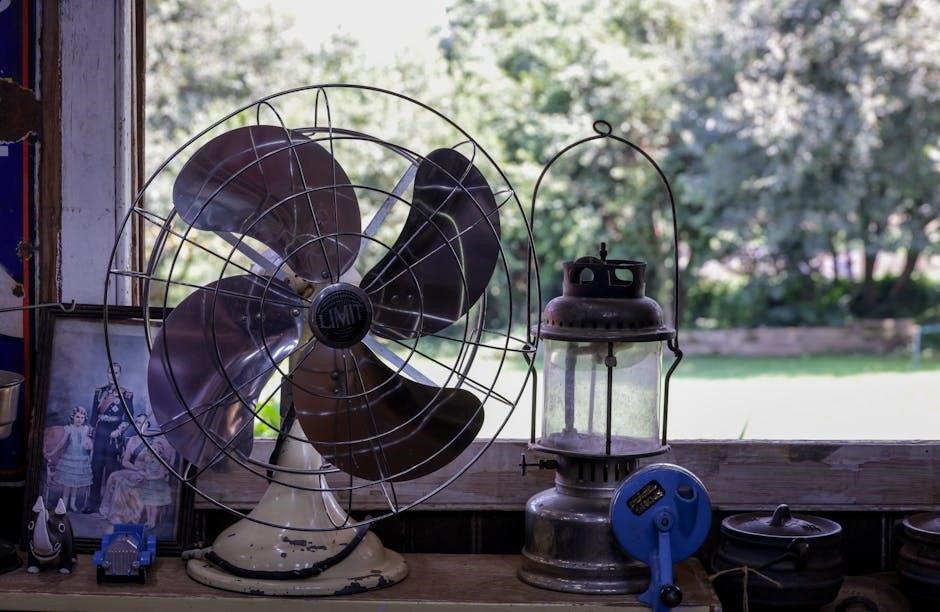
Replacing Existing Blades
Begin by disconnecting power to the fan at the breaker. Carefully remove the existing blades, noting the screw placement. Use a screwdriver to loosen and detach each blade. When installing new blades, ensure they are securely fastened with the provided screws. Tighten screws firmly, but avoid over-tightening, which could damage the blade arms. Double-check all blades for stability before restoring power.
Winter/Summer Mode Explained
Hunter fans offer a reverse switch for seasonal optimization. In summer, counter-clockwise rotation creates a cooling breeze. During winter, switch to clockwise at a low speed. This gently redistributes warm air trapped near the ceiling, optimizing heating costs and providing more consistent temperatures throughout the room. Utilizing this feature can significantly reduce energy consumption.
Optimizing for Heating Costs
To minimize heating expenses, operate your Hunter fan in reverse (clockwise) at a low speed during colder months. This gently pushes warm air, which naturally rises, back down into the living space. Avoid high speeds, as this can create a draft. Consistent temperature distribution reduces strain on your heating system, leading to noticeable savings.
Optimizing for Cooling Costs

During warmer weather, set your Hunter fan to rotate counterclockwise to create a direct breeze. This wind chill effect makes the room feel cooler, allowing you to raise your thermostat a few degrees without sacrificing comfort. Utilize higher speeds for maximum cooling, but adjust based on preference. Efficient air circulation reduces air conditioner workload.
Hunter Fan Warranty Information
Hunter fans are backed by a limited lifetime warranty covering motor defects and a separate warranty for all other components. Coverage details vary by model and purchase date; retain your proof of purchase. To file a claim, contact Hunter’s customer support with details of the issue and proof of purchase. Warranty does not cover misuse or improper installation.
Warranty Coverage Details

The Hunter fan motor is warrantied for life against defects in materials and workmanship. Other components, including blades, controls, and finishes, have a one-year warranty from the date of purchase. This warranty excludes damage from accidents, misuse, or unauthorized repairs. Labor costs for warranty service are not covered. Proof of purchase is essential for all claims.
How to File a Warranty Claim
To initiate a warranty claim, contact Hunter Fan’s customer service department via phone or their website; Provide your fan’s model number, serial number, date of purchase, and a detailed description of the defect. You may be required to submit photos or return the defective part for inspection. Hunter will determine if the claim is valid and authorize repair or replacement.
Advanced Features (If Applicable)
Some Hunter fans offer smart home integration, allowing control via apps or voice assistants. These models may include energy-saving modes, automatically adjusting speed based on room occupancy or temperature. Features like “Light Hunter” prioritize efficient illumination. Ensure compatibility with your smart home system before setup. Explore the Hunter Fan website for specific model capabilities and detailed instructions for utilizing these advanced functionalities.
Smart Fan Integration
Hunter’s smart fans connect to home networks for app or voice control. Pairing involves downloading the Hunter Fan app and following on-screen prompts. Compatibility includes platforms like Amazon Alexa and Google Assistant. Features include scheduling, remote access, and integration with other smart devices. Ensure a stable Wi-Fi connection during setup. Refer to the app’s help section for troubleshooting connectivity issues and maximizing smart functionality.
Energy Saving Modes
Hunter fans offer modes optimizing energy use alongside comfort. Utilizing the reverse function in winter redistributes warm air, reducing heating costs. Smart fans feature “breeze” modes mimicking natural wind, minimizing consistent energy draw. Lower fan speeds consume significantly less power than air conditioning. Proper blade balance also improves efficiency; Regularly cleaning blades ensures optimal airflow, further contributing to energy savings throughout the year.