
Explore various free online games on platforms like Poki and CrazyGames for instant browser fun․
Discover fine game selections on Yandex Games without needing any downloads․
These sites offer diverse titles, from skill challenges to endless runners, ensuring enjoyment for all players․
Game of Life Core Concept
The fundamental idea revolves around a simple cellular automaton, a pattern evolving based on local neighborhood states․
Imagine a grid where each cell is either alive or dead․
The core concept dictates that the state of any cell in the next generation depends solely on the number of its living neighbors in the current generation․
This seemingly basic rule set generates incredibly complex and emergent behavior, a hallmark of this fascinating model․
Websites like Poki and CrazyGames host numerous free online games, offering accessible entry points to digital play, mirroring the simplicity of the initial setup․
Yandex Games also provides a rich collection of instantly playable titles, requiring no commitment or lengthy installation process․
The beauty lies in the emergence of intricate patterns from minimal rules, a concept that transcends mere board game instructions and touches upon complex systems theory․
For those interested in digital alternatives, exploring the game libraries mentioned is a practical step․
These platforms cater to various tastes, from puzzle to action, providing a broad gaming experience online․
The core concept remains elegantly simple: local interactions drive global, unpredictable complexity, making it a profound topic for both casual and serious enthusiasts, regardless of whether they play physically or virtually on these game portals․
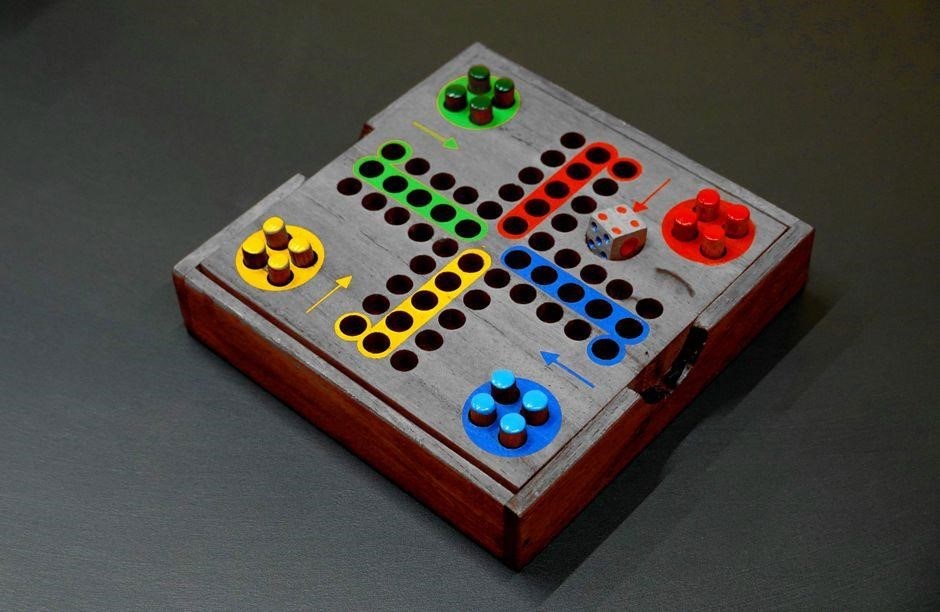
Setting Up the Game Board
Poki offers free online games, including skill-based ones, for immediate play in your browser․
CrazyGames features new, high-quality browser games daily․
Yandex Games provides instant access to its finest game selections, requiring no downloads whatsoever for a quick start․
Grid Dimensions Requirements
The specific grid dimensions for a board game implementation of this cellular automaton are not explicitly detailed within the provided search results, which primarily focus on general online game portals such as Poki, CrazyGames, and Yandex Games․
However, for practical simulation purposes, a sufficiently large grid is necessary to observe complex emergent behavior, avoiding premature boundary effects that could skew results․
A standard, manageable size, perhaps 50×50 or 100×100 cells, is often used for initial testing and demonstration, balancing computational feasibility with visual complexity․
The choice of dimensions should ideally be large enough to support stable patterns and gliders without the edges artificially constraining the dynamics․
Remember that the core mechanics, governed by the rules of life, remain constant regardless of the exact size, though larger grids allow for richer, more intricate patterns to manifest over successive generations․
These online platforms offer immediate access to various games, but the specific parameters for this particular simulation must be defined by the user implementing the rules․
For a robust study, ensure the dimensions are chosen to allow for long-term evolution before termination conditions are met, which is crucial for analyzing emergent behavior effectively․
The lack of specific dimension requirements in the search snippets necessitates a generalized, practical recommendation for educational or exploratory play, focusing on functionality over strict adherence to external, unprovided specifications․
This approach allows users to adapt the simulation to their computational environment while maintaining the integrity of the underlying mathematical model, which is the true essence of this fascinating system․
The goal is observation, not constraint, so flexibility in size is key for varied outcomes across different play sessions․


Initial Cell Placement Rules
On sites like Poki and CrazyGames, you can find many free online games to play right in your browser․
Yandex Games provides excellent selections instantly, needing no sign-up or downloads․
These platforms host diverse entertainment, catering to every taste with varied game genres available now․
Live and Dead Cell Definitions
In the context of this cellular automaton simulation, a cell exists in one of two fundamental states: either it is considered ‘live’ or it is considered ‘dead’․
This binary state is the basis upon which all subsequent evolutionary rules are applied across the entire grid structure․
The initial configuration of the board dictates the starting pattern, where some cells are set to live and others to dead, forming the initial seed for the system’s behavior․
For instance, when exploring free online games on Poki, you encounter various game types, but the core concept remains simple: a cell is either active or inactive․
Similarly, CrazyGames hosts a wide array of titles, each utilizing a defined state for its game elements․
Yandex Games provides another platform where instant play is possible without complex setup, mirroring the straightforward cell definitions here․
The distinction between live and dead is absolute for any given moment in the simulation’s progression․
This simple dichotomy allows for incredibly complex, emergent patterns to arise from very basic local rules․
Remember that these definitions are static until the rules of life dictate a transition to the next generation, a crucial step in understanding the simulation’s dynamics․
The entire mechanism relies on accurately tracking which cells possess the ‘live’ attribute at each time step, contrasting them with those marked ‘dead’․
This foundational understanding is key before moving on to the rules governing how these states change based on neighbors, a concept shared across many digital gaming environments available online․

Applying the Rules of Life
Poki features skill games, while CrazyGames adds new high-quality browser games daily․
Yandex Games provides instant play across many tastes․
OnlineGames․io guarantees free play with no sign-up or payment required for every title․

Survival Rule Application
When examining the mechanics of this cellular automaton, the survival rule dictates a specific condition for an existing live cell to persist into the subsequent generation․
It is crucial to understand that a live cell must possess exactly two or three live neighbors within the defined grid structure to remain alive․
This principle governs the stability and evolution of patterns across the board․
For instance, if a live cell has fewer than two neighbors, it will perish due to isolation․
Conversely, if it has more than three neighbors, it becomes overpopulated and also dies․
This rule is fundamental to observing complex, emergent behavior from simple local interactions․
Websites like Poki and CrazyGames host numerous free online games, offering a digital parallel to this concept, though not directly implementing this specific rule set․
Yandex Games also provides a rich selection of instantly playable titles, catering to various tastes․
The core instruction here is strict adherence: two or three neighbors equals survival; otherwise, the cell transitions to a dead state․
This deterministic yet unpredictable nature is what makes the simulation so captivating for learners and enthusiasts of computational biology and pattern formation․
Remember that no downloads or sign-ups are required on these game portals, emphasizing immediate, accessible play for everyone interested in digital entertainment and algorithmic systems․
The simplicity of the rule belies the profound complexity that arises over many generations, a hallmark of this fascinating model․
This application is a cornerstone of understanding self-organization in simple systems, a concept mirrored in the diverse offerings found across major online gaming hubs today, providing varied interactive experiences beyond just this simulation․
Birth Rule Application
When examining the mechanics of this cellular automaton, the birth rule dictates the transition of a dead cell into a live cell․ Specifically, a dead cell situated within the grid will become alive during the next generation cycle if and only if it possesses exactly three live neighbors․ This precise condition is fundamental to pattern formation and the emergent complexity observed in simulations․
For instance, if a cell has two or four or more live neighbors, it remains dead, adhering strictly to the established rules․
Websites such as Poki and CrazyGames host numerous free online games, providing accessible platforms for practicing these concepts without installation hassles․
Yandex Games also offers a wide array of instantly playable titles, catering to different tastes․
The simplicity of this rule contrasts with the rich, unpredictable behavior it generates over time․
Remember that these digital game portals, including those found at onlinegames․io, emphasize free, no-commitment play, which is ideal for learning․
This specific rule, coupled with the survival rule, drives the entire dynamic evolution of the board state across successive generations․
It is a core element in understanding how simple local interactions lead to global, intricate patterns, a concept often explored in educational contexts alongside these readily available online entertainment options․

Generating the Next Generation
Online gaming hubs such as Poki and CrazyGames host numerous free titles for immediate browser play․
Yandex Games provides a vast collection of instantly playable games, requiring no commitment․
These platforms cater to every taste, offering diverse entertainment options for users globally․
State Transition Mechanism
The state transition mechanism in this cellular automaton dictates how each cell evolves from one generation to the next based strictly on its current state and the states of its eight immediate neighbors on the grid․
This process is entirely deterministic, meaning the same initial configuration will always yield the identical subsequent patterns, a core feature making it fascinating for study․
Platforms such as Poki and CrazyGames host numerous free online games, providing accessible entry points to digital entertainment, though they do not detail this specific biological rule set․
Yandex Games also offers a wide array of instantly playable titles, requiring no commitment or installation from the user, which contrasts with the focused, rule-based nature of this simulation․
The transition involves applying the established rules: a live cell survives if it has two or three live neighbors, and a dead cell becomes live if it has exactly three live neighbors․
This simple local interaction leads to incredibly complex, emergent global behavior, a concept often explored in advanced computational studies beyond simple game play․
OnlineGames․io further emphasizes accessibility, offering completely free games without paywalls, mirroring the open nature of the simulation’s rules․
Understanding this mechanism is key to observing stable patterns, oscillators, and gliders, which are the hallmarks of this mathematical model․
The simulation proceeds generation by generation, calculating the next state for every cell simultaneously based on the current state, preventing sequential dependency errors․
This synchronized update is crucial for accurate modeling of the system’s evolution over time, making the transition mechanism the engine of the entire board game experience, regardless of whether played physically or digitally on various gaming portals․

Game Termination Conditions
Online gaming hubs such as Poki and CrazyGames host many free titles․
Yandex Games provides instant play across various genres, no downloads needed․
These platforms feature diverse selections, including skill games and racing, for immediate browser entertainment․
Stable Patterns Identification
When observing the evolution of the cellular automaton, identifying stable patterns is a crucial step in understanding its complex dynamics․ These patterns, which do not change their configuration from one generation to the next, represent fixed points within the system’s state space․
For instance, a single live cell or a small block of cells that remains static across successive iterations signifies stability․
The internet sources, such as those listing free online games on Poki and CrazyGames, highlight the broad appeal of interactive digital experiences, though they do not detail cellular automaton analysis․
Yandex Games also provides a platform for instant play, mirroring the accessibility sought in studying these patterns without complex setup․
Analyzing these unchanging structures helps researchers categorize the system’s long-term behavior, distinguishing them from oscillating or chaotic states․
This identification process moves beyond mere simulation to genuine mathematical observation, a key aspect of the underlying theory;
The simplicity of the rules belies the rich complexity found in these persistent formations, offering deep insights into self-organization in simple systems․
It is a rewarding exercise to pinpoint these unchanging configurations within the evolving grid structure, confirming the system’s potential for ordered, non-trivial states, contrasting with purely transient activity․
This observation aids in classifying the overall behavior of the simulation, whether it trends toward equilibrium or continues dynamic change, providing a concrete endpoint for focused study within the game’s framework․
The ease of accessing similar digital entertainment online underscores the universal appeal of simple, rule-based systems, even when applied to abstract computation․
This focus on stability provides a benchmark against which all other transient behaviors can be measured and understood within the context of the board game’s evolution․

Scoring or Observation Goals
Analyzing emergent behavior is key when playing․
Websites like Poki feature skill games and diverse titles․
Yandex Games provides instant play across many tastes․
Observe patterns; no specific score is mandated, just fascinating life dynamics․
Analyzing Emergent Behavior
The observation of emergent behavior within this cellular automaton system reveals fascinating complexity arising from simple local rules․
Consider how initial, seemingly random cell placements can evolve into stable, intricate patterns, such as blinkers, toads, or gliders․
This self-organization is a cornerstone of computational biology and complex systems theory․
Platforms like Poki and CrazyGames host numerous free online games, offering accessible entry points to digital play, though they focus more broadly on diverse entertainment rather than this specific mathematical model․
Yandex Games also provides a wide array of instantly playable titles, catering to varied tastes without installation hassles․
The study moves beyond mere rule application to understanding how global, unpredictable structures arise from local interactions, a profound concept in science․
This deep dive into pattern formation is what makes the exercise intellectually rewarding, far surpassing simple gameplay mechanics found on general gaming portals․
Every game on OnlineGames․io is entirely free, promoting accessible learning alongside entertainment․
The transition from simple initial states to complex, enduring structures highlights the power of iterative, deterministic processes to generate apparent randomness and sophisticated organization within a constrained environment․
This analysis connects basic logic to advanced concepts in computation and natural phenomena, making the exercise highly educational for enthusiasts of mathematics and theoretical science;
The sheer variety of available free games across these sites underscores the broad appeal of digital entertainment, contrasting with the focused, emergent properties of this specific simulation․

Variations and Advanced Play
The foundational rules of this cellular automaton allow for fascinating extensions and deeper strategic engagement beyond simple observation․
Consider implementing different neighborhood definitions, such as Moore or Von Neumann, to alter the dynamic behavior significantly․
Advanced play often involves designing specific initial configurations, known as ‘gliders’ or ‘puffer trains,’ which exhibit complex, self-propagating patterns across the grid․
These emergent structures are not random; they follow deterministic rules, making the system a powerful tool for studying computation and complexity theory․
Furthermore, integrating boundary conditions—periodic, fixed, or reflective—introduces new constraints and behaviors to the simulation, drastically changing long-term stability․
One could also explore modifications to the transition rules themselves, perhaps introducing thresholds or time-dependent parameters, moving it further from the classic formulation․
The availability of free online game portals like Poki and CrazyGames suggests a broad accessibility to digital implementations, which can facilitate rapid experimentation with these variations without complex local setup․
These advanced explorations transform the exercise from a simple simulation into a miniature study of universal computation, mirroring concepts found in theoretical computer science․
The sheer variety of available free games across platforms like Yandex Games underscores the broad public interest in interactive, rule-based systems, even when applied to abstract concepts like this cellular automaton․
This depth of play encourages not just following instructions but actively engineering complex, predictable, yet seemingly organic, patterns within the defined grid space, pushing the boundaries of simple binary states․