
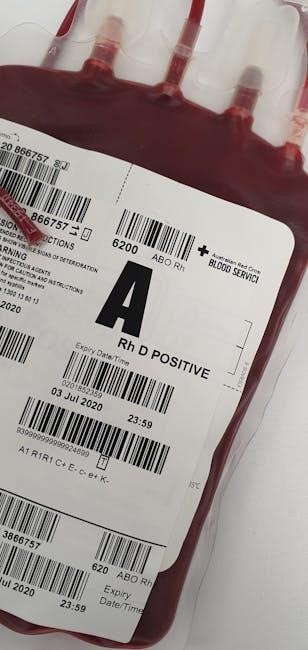
The AB positive blood type diet, often found in PDF guides, proposes personalized nutrition. It centers around consuming foods compatible with your genetic code for optimal wellness.
What is the Blood Type Diet?
The Blood Type Diet, popularized by Dr. Peter D’Adamo, is a personalized nutrition plan based on the premise that a person’s blood type – A, B, AB, or O – influences their optimal diet. The core idea, extensively detailed in resources like a comprehensive AB positive blood type diet PDF, suggests that digestive enzymes, and how we process food, are linked to our blood type antigens.
Essentially, the diet proposes that foods compatible with your blood type are easily digested and utilized, promoting health and preventing illness. Conversely, incompatible foods can lead to digestive issues, inflammation, and even chronic diseases. A PDF guide specifically for AB positive individuals will outline which foods are considered “right” and “wrong” based on this theory.
Dr. D’Adamo argues that lectins – proteins found in foods – react differently with each blood type. These reactions can either be beneficial or detrimental. The diet isn’t simply about food choices; it also considers lifestyle factors like exercise and stress management, all often detailed within a complete AB positive diet PDF resource. It’s a holistic approach aiming to align your lifestyle with your genetic blueprint.
The Core Principles for AB Positive Individuals
For those with AB positive blood, the AB positive blood type diet PDF emphasizes a blend of dietary approaches, reflecting the unique characteristics of this relatively rare blood type. AB positive individuals are considered to possess qualities of both type A and type B, requiring a more adaptable diet.
A central tenet, clearly outlined in any detailed PDF guide, is to moderate intake – not overly restrictive like type A, nor entirely permissive like type B. The diet encourages a focus on foods that are easily digested and don’t cause inflammation. Marine and plant-based proteins are favored, while red meat is generally limited.
The PDF will highlight the importance of digestive health for AB positives, as they may have lower stomach acid. Combining foods strategically to aid digestion is crucial. Fermented foods are often recommended to support gut flora. Furthermore, the diet acknowledges the AB positive tendency towards stress and advocates for calming lifestyle practices, often detailed alongside dietary recommendations in a comprehensive AB positive diet PDF.
Historical Context & Dr. D’Adamo’s Research
The AB positive blood type diet, as detailed in resources like a comprehensive PDF guide, stems from the work of Dr. Peter D’Adamo, a naturopathic physician. His 1996 book, “Eat Right 4 Your Type,” popularized the concept that blood type influences optimal health through diet. D’Adamo’s research builds upon observations linking blood types to varying susceptibility to diseases and differing digestive capabilities.
He theorizes that lectins – proteins found in foods – react differently with various blood types. A PDF explaining the diet will illustrate how lectins compatible with AB positive blood promote health, while incompatible ones can cause agglutination and health issues. This idea draws from anthropological and evolutionary perspectives, suggesting diets evolved alongside human blood type distribution.
While D’Adamo’s work isn’t universally accepted by mainstream medicine, the AB positive blood type diet PDF often presents his research as a framework for personalized nutrition. It’s important to note that his theories are largely observational and require further rigorous scientific validation, a point often acknowledged within the PDF itself.

Dietary Recommendations for AB Positive
AB positive individuals, as outlined in a detailed PDF, thrive on a balanced diet. It combines aspects of both A and B blood type diets, emphasizing moderation and variety.
Proteins: Best Choices
According to the AB positive blood type diet, detailed in many PDF resources, protein sources should be carefully selected to optimize digestion and nutrient absorption. Individuals with this blood type generally tolerate lean proteins well, benefiting from foods that don’t heavily burden their digestive system.

Excellent choices include fish, particularly salmon, tuna, cod, and mackerel, which are rich in omega-3 fatty acids – beneficial for heart health and cognitive function. Turkey and rabbit are also highly recommended, providing lean protein without the inflammatory potential of heavier meats. Lamb, in moderate amounts, is considered acceptable, offering a good source of iron and other essential nutrients.
Tofu and soy products, when organically sourced and non-GMO, are beneficial protein options. Venison is another favorable choice, being a lean and easily digestible red meat. These protein sources align with the AB positive digestive system, promoting energy levels and overall well-being. Remember to prioritize quality and freshness when selecting these protein options, as outlined in comprehensive diet PDF guides.
Proteins: To Limit or Avoid
The AB positive blood type diet, as detailed in numerous PDF guides, emphasizes limiting or avoiding certain protein sources that can cause digestive distress or inflammation. This is due to the unique digestive characteristics associated with this blood type.
Red meats, particularly beef and pork, are generally discouraged as they can be difficult to digest and may contribute to sluggishness; Chicken, while a common protein source, should be consumed sparingly, as it can potentially cause immune reactions in some AB positive individuals. Duck and goose are also best limited due to their higher fat content.
Processed meats like bacon, sausage, and ham should be avoided entirely, as they contain additives and preservatives that can negatively impact health. Shellfish, including shrimp, crab, and lobster, are also on the list of proteins to limit, potentially causing digestive upset. Furthermore, heavily farmed fish may contain toxins, making wild-caught options preferable when consuming fish. Consulting a detailed PDF resource will provide a comprehensive list and further clarification on protein choices for optimal health.
Carbohydrates: Beneficial Options
According to the AB positive blood type diet, outlined in many accessible PDF resources, certain carbohydrates are exceptionally beneficial for individuals with this blood type, promoting optimal energy levels and digestive health. These choices align with the AB blood type’s unique digestive system, which possesses characteristics of both A and B types.
Rice, particularly brown rice and basmati rice, is a staple carbohydrate source, easily digested and providing sustained energy. Oats are also highly recommended, offering a gentle source of fiber and promoting gut health. Sweet potatoes are another excellent choice, providing essential vitamins and minerals without causing inflammation.
Legumes like lentils and soybeans are considered beneficial, offering plant-based protein and fiber. However, moderation is key with soybeans. Wild rice is a fantastic option, packed with nutrients and antioxidants. Many PDF guides suggest incorporating these carbohydrates into a balanced diet, alongside appropriate protein and fat sources, to maximize the benefits of the AB positive diet. Remember to consult a comprehensive PDF for detailed portion sizes and preparation methods.
Carbohydrates: Foods to Exercise Caution With
The AB positive blood type diet, detailed in numerous PDF guides, identifies specific carbohydrates that individuals with this blood type should consume cautiously, as they may hinder digestion or contribute to inflammation. While not strictly forbidden, moderation and mindful consumption are crucial.
Wheat, a common carbohydrate source, is often flagged as potentially problematic for AB positives, potentially leading to digestive discomfort and insulin resistance. Corn, while versatile, can also be difficult to digest for some. Buckwheat, despite its name, isn’t wheat but should still be consumed in limited quantities. Rye is another grain to approach with caution.
White potatoes, unlike sweet potatoes, are considered less favorable due to their potential to cause inflammation. Most PDF resources recommend limiting these carbohydrates and observing how your body responds. Beans, particularly kidney beans and lima beans, can also cause digestive issues. Prioritizing the beneficial carbohydrate options outlined in PDF diet plans and minimizing these potentially problematic choices is key to optimizing health within the AB positive framework.

Foods to Embrace & Avoid – A Detailed Look
AB positive blood type diet PDF resources categorize foods meticulously. Discover which options nourish your system and which may cause imbalances, promoting optimal health and vitality.
Vegetables: Powerhouse Choices for AB Positive
According to the AB positive blood type diet PDF guidelines, certain vegetables are exceptionally beneficial, acting as nutritional powerhouses for individuals with this blood type. These choices support digestive efficiency and overall well-being. Broccoli, spinach, and kale are highly recommended, providing vital vitamins, minerals, and antioxidants.
Carrots, beets, and celery are also excellent additions to the diet, offering a range of health benefits. Garlic and onions, while pungent, are considered advantageous, supporting immune function and cardiovascular health. Pumpkin and butternut squash provide essential nutrients and fiber.
Furthermore, red cabbage, romaine lettuce, and parsley are frequently highlighted in AB positive diet PDF materials as supportive vegetables. These options contribute to a balanced intake of nutrients and promote optimal cellular function. Prioritizing these vegetables can significantly enhance the positive effects of the diet, fostering a healthier and more vibrant lifestyle. Remember to opt for organic whenever possible to minimize exposure to harmful pesticides.
Vegetables: Neutral & Limited Options
The AB positive blood type diet PDF also outlines vegetables considered neutral or limited for individuals with this blood type. Neutral vegetables, like mushrooms, cauliflower, and sweet potatoes, aren’t particularly harmful but don’t offer the same significant benefits as powerhouse choices. They can be consumed in moderation as part of a varied diet.
However, certain vegetables are recommended to be limited or avoided. Artichokes, eggplant, and potatoes (excluding sweet potatoes) are often listed as potentially problematic, potentially causing digestive discomfort or inflammation. Brussels sprouts and cabbage, beyond red cabbage which is beneficial, may also lead to bloating or gas in some individuals.
The AB positive diet PDF emphasizes that individual reactions can vary. While these vegetables aren’t strictly forbidden, mindful consumption and observation of your body’s response are crucial. Limiting these options and focusing on the powerhouse vegetables can optimize digestive health and overall well-being. Paying attention to portion sizes and preparation methods can also help minimize any potential negative effects.
Fruits: Sweet Support for AB Positive Health
According to the AB positive blood type diet PDF, certain fruits are exceptionally beneficial, providing vital nutrients and supporting optimal health for individuals with this blood type. Plums, cherries, figs, and pineapple are considered powerhouse fruits, offering antioxidant properties and aiding digestion.
These fruits are believed to help regulate blood sugar levels and reduce inflammation, contributing to overall wellness. Grapes, particularly red and purple varieties, are also highly recommended due to their resveratrol content, known for its cardiovascular benefits. Kiwi fruit is another excellent choice, providing a boost of Vitamin C and supporting immune function.
The AB positive diet PDF suggests incorporating these fruits regularly into your diet, enjoying them as snacks or including them in meals. They offer a naturally sweet and satisfying way to nourish your body. Remember that moderation is key, even with beneficial foods, to maintain a balanced dietary approach. Prioritizing these fruits can significantly enhance your health journey.
Fruits: Fruits to Consume Sparingly
The AB positive blood type diet PDF identifies several fruits that individuals with this blood type should consume in moderation, or ideally, limit altogether. While not strictly forbidden, these fruits are believed to potentially cause digestive issues or negatively impact metabolic processes. Mangoes, oranges, and plantains fall into this category, potentially leading to bloating or sluggishness.
Bananas, though a convenient snack for many, are also listed as a fruit to exercise caution with, as they may contribute to mucus production. Similarly, avocados, while healthy fats are beneficial, are suggested to be consumed less frequently for AB positive individuals. The AB positive diet PDF emphasizes that individual reactions can vary, but these fruits are generally considered less compatible;
It’s not about complete elimination, but rather mindful consumption. If you choose to include these fruits, pay attention to how your body responds. Smaller portions and infrequent enjoyment are recommended. Prioritizing the ‘beneficial’ fruits outlined in the diet will support optimal health and minimize potential discomfort.
Beyond Food: Lifestyle Considerations
AB positive blood type diet PDF resources extend beyond nutrition. They suggest tailored exercise, stress reduction, and supplemental support for holistic well-being and optimal health.
Exercise Recommendations for AB Positive
AB positive blood type diet PDF guides frequently emphasize a balanced exercise approach, recognizing the unique physiological traits associated with this blood type. Individuals with AB positive blood often benefit from activities that aren’t overly strenuous, yet promote both cardiovascular health and mental clarity.
Moderate intensity exercises are generally recommended, steering clear of excessively competitive or high-impact routines. Yoga and Tai Chi are particularly well-suited, fostering flexibility, balance, and stress reduction – all crucial for AB positive individuals who can be prone to stress-related issues. Swimming is another excellent choice, providing a full-body workout with minimal joint impact.
Walking, hiking, and cycling at a comfortable pace are also beneficial. Strength training should be incorporated, but with lighter weights and higher repetitions, focusing on endurance rather than bulk. The PDF resources often suggest avoiding overly aggressive training regimens, as these can potentially overwhelm the system. Consistency is key; aim for at least 30 minutes of moderate exercise most days of the week. Remember to listen to your body and adjust the intensity as needed.
Stress Management Techniques
AB positive blood type diet PDF resources consistently highlight the importance of stress management, as individuals with this blood type are often considered more susceptible to the negative impacts of stress. The diet itself aims to reduce inflammation, but proactive stress reduction is vital for overall wellbeing.
Mindfulness practices, such as meditation and deep breathing exercises, are strongly encouraged. These techniques help calm the nervous system and promote a sense of inner peace. Regular journaling can also be incredibly beneficial, providing an outlet for processing emotions and identifying stressors. Spending time in nature is another effective strategy, offering a restorative and grounding experience.
Creative pursuits, like painting, music, or writing, can serve as healthy coping mechanisms. Social connection is also crucial; nurturing relationships with loved ones provides a support network and reduces feelings of isolation. The PDF guides often recommend limiting exposure to stressful environments and individuals. Prioritizing self-care, setting boundaries, and learning to say “no” are essential skills for managing stress effectively. Remember, consistent practice is key to building resilience.
Supplements Potentially Beneficial for AB Positive
AB positive blood type diet PDF materials frequently discuss supplemental support, acknowledging potential deficiencies or increased needs within this blood type. While the diet prioritizes nutrient intake from food, certain supplements may offer additional benefits.
Vitamin D is often recommended, particularly for those with limited sun exposure, as it supports immune function and bone health. Probiotics are crucial for gut health, aiding digestion and nutrient absorption – a common area of concern. Magnesium can help regulate stress levels and muscle function, addressing the AB positive tendency towards anxiety.
Omega-3 fatty acids, found in fish oil, are beneficial for heart health and reducing inflammation. Some PDF guides suggest digestive enzymes to further enhance nutrient breakdown. Vitamin B12 is also considered, especially for vegetarians or vegans. However, it’s crucial to consult with a healthcare professional before starting any new supplement regimen. Individual needs vary, and supplements should complement, not replace, a balanced diet. Dosage recommendations within the PDFs should be discussed with a doctor.

Potential Benefits & Criticisms

AB positive blood type diet PDF resources highlight potential weight loss and improved digestion. However, scientific backing remains limited, sparking debate among nutrition experts and researchers.

Reported Health Improvements
Numerous individuals following the AB positive blood type diet, as detailed in various PDF guides and online communities, report a range of positive health outcomes. Many experience enhanced digestive comfort, attributing it to the diet’s emphasis on easily digestible proteins like fish and lamb, and the avoidance of potentially irritating foods. Weight management is frequently cited, with proponents suggesting the diet’s focus on lean proteins and specific carbohydrates naturally supports a healthy metabolism.
Beyond digestion and weight, some individuals report increased energy levels and improved mental clarity. This is often linked to the elimination of foods believed to cause inflammation or sluggishness within the AB positive blood type. Improvements in skin health, reduced joint pain, and a strengthened immune system are also commonly mentioned benefits. It’s important to note these are largely anecdotal reports, gathered from personal experiences shared within the diet’s community.

PDF resources often showcase testimonials and success stories, further fueling these claims. However, it’s crucial to approach these with a critical eye, recognizing the potential for placebo effects and individual variations in response to dietary changes. While promising, these reported improvements require rigorous scientific validation.
Scientific Validity & Ongoing Debate
The scientific community largely views the AB positive blood type diet, as presented in numerous PDF documents and popularized by Dr. D’Adamo, with skepticism. While the concept of personalized nutrition holds merit, current evidence doesn’t strongly support the claim that dietary recommendations should be dictated solely by blood type. Many studies have failed to demonstrate a statistically significant correlation between blood type and the benefits attributed to the diet.
Critics argue that the diet’s principles lack robust scientific backing and may be based on misinterpretations of lectin reactions and evolutionary biology. They suggest observed improvements are more likely due to the diet’s general emphasis on whole, unprocessed foods, rather than blood-type specificity. Furthermore, the diet’s restrictive nature could potentially lead to nutrient deficiencies if not carefully planned.
Despite the criticisms, the debate continues, with some researchers advocating for further investigation into the potential role of genetics and individual biochemistry in dietary responses. PDF analyses of existing research often highlight the need for larger, more controlled studies to definitively assess the diet’s efficacy and validity.
Finding Reliable Resources & Further Information (PDF Sources)
Locating trustworthy information about the AB positive blood type diet can be challenging. Numerous websites and PDF downloads offer varying advice, some lacking scientific rigor. A good starting point is Dr. Peter D’Adamo’s official website, which provides details on his research and the diet’s principles, often with downloadable resources.
However, critically evaluate all sources. Look for information from registered dietitians or healthcare professionals who offer a balanced perspective. PubMed and Google Scholar are excellent databases for accessing peer-reviewed research articles related to blood types and nutrition. Be wary of websites promoting the diet with exaggerated claims or lacking credible sources.
Several PDF guides summarizing the diet are available online, but prioritize those from reputable organizations or authors with relevant expertise. Remember that the diet is controversial, and a personalized approach to nutrition, guided by a healthcare professional, is always recommended. Always cross-reference information and consult with your doctor before making significant dietary changes.